Reduction of Tinnitus by Spinal Manipulation in a Patient With Presumptive Rotational Vertebral Artery Occlusion Syndrome: A Case Report

Reduction of Tinnitus by Spinal Manipulation in a Patient With Presumptive Rotational Vertebral Artery Occlusion Syndrome: A Case Report

A middle-aged man came in for shoulder pain but also had six months of constant ringing in his ears, worse when he turned his head, with no cause found after a full ear, nose, and throat workup. After his first session of low-force spinal care based on Network Spinal Analysis (NSA) and Logan Basic technique, the ringing stopped for two days and then returned much quieter, and over about four months of care it essentially resolved, a result that held at one-year follow-up.

Read More
Visualization of a stationary CPG-revealing spinal wave

Central Pattern Generator (CPG) is still an elusive concept that has a visual manifestation as a rhythmic oscillation commanded from the spine, but that also has another manifestation as a train of bursts in the surface electromyographic (sEMG) signals recorded on the para-spinal muscles.

Read More

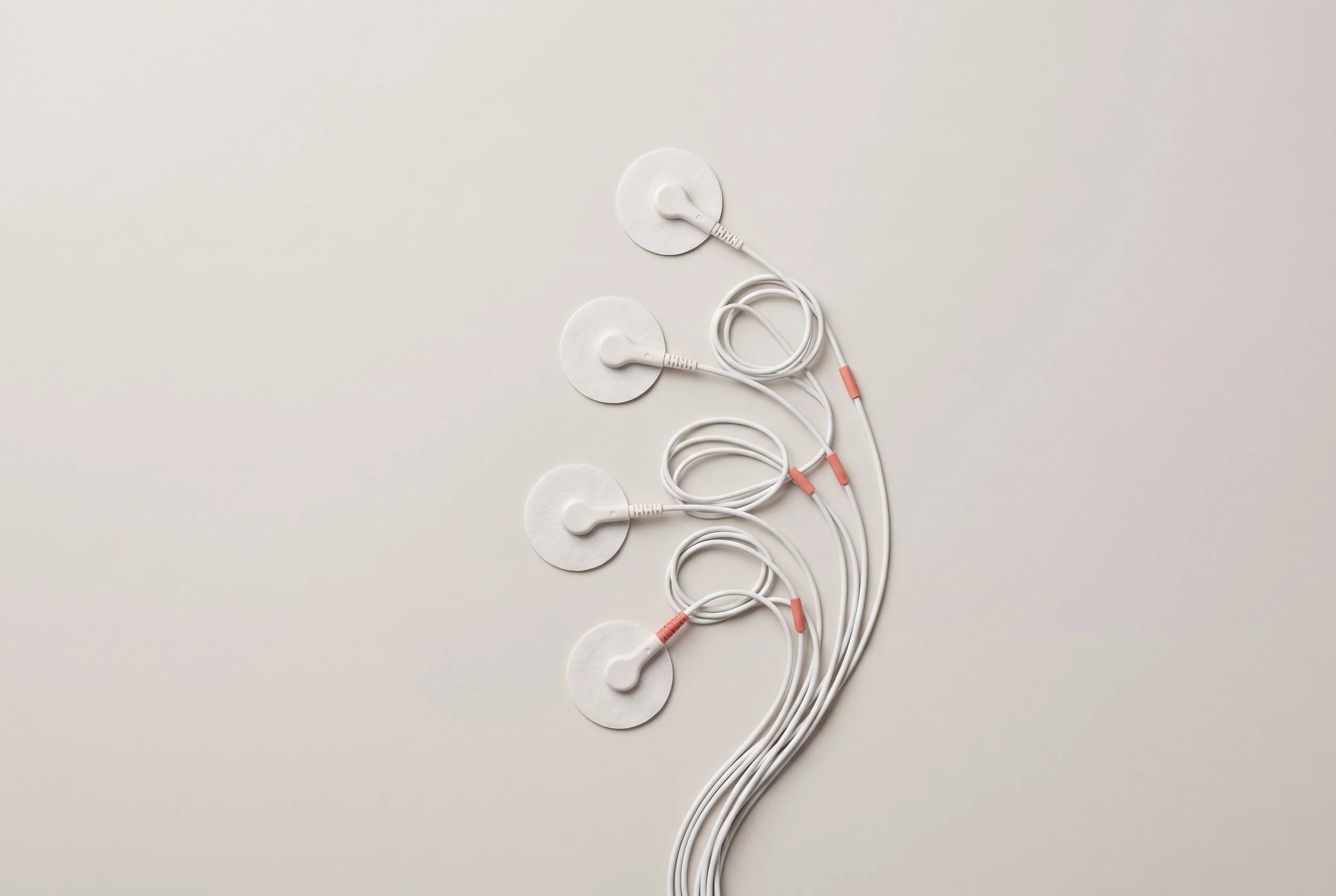
ChiroSensor: An Array of Non-Invasive sEMG Electrodes

ChiroSensor: An Array of Non-Invasive sEMG Electrodes

It is shown that the statistical analysis of the sEMG signals recorded by the ChiroSensors along the paraspinal muscles during Network Spinal Analysis (NSA) provides objective confirmation of the physiological reality as perceived by the practitioner as it relates to levels of care and spinal injury recovery.

Read More

Spatio-temporal Analysis of an Electrophysiological Wave Phenomenon

Spatio-temporal Analysis of an Electrophysiological Wave Phenomenon

An electrophysiological phenomenon running along the spine, referred to as Network Spinal Analysis (NSA) wave, is analyzed from the “inverse” viewpoint of constructing the traveling and stationary wave phenomena from the surface electromyographic (sEMG) signals recorded at various points along the paraspinal muscles.

Read More

The Transition of Network Spinal Analysis Care: Hallmarks of a Client-Centered Wellness Education Multi-Component System of Health Care Delivery

Network Spinal Analysis (NSA) care has been transitioned from a health care system with the objective of correction of two types of vertebral subluxation, to a multi-component system of health care delivery with emphasis on wellness education for participating clients.

Read More

Wellness lifestyles II: Modeling the dynamic of wellness, health lifestyle practices, and Network Spinal Analysis.

Empirical application of a theoretical framework linking use of Network Spinal Analysis (NSA; a holistic, wellness-oriented form of complementary and alternative medicine [CAM]), health lifestyle practices, and self-reported health and wellness.

Read More

Wellness lifestyles I: A theoretical framework linking wellness, health lifestyles, and complementary and alternative medicine.

Scholarship concerning complementary and alternative medicine (CAM) practices within the United States could benefit from incorporating sociological perspectives into the development of a comprehensive research agenda.

Read More